Bali is often admired for its breathtaking landscapes, rich traditions, and deep spirituality. Beyond its scenic beauty lies a philosophy that shapes daily life across the island—a philosophy known as Tri Hita Karana.
More than just a cultural concept, Tri Hita Karana serves as a guiding principle for how Balinese people live, interact, and maintain balance in their lives. It influences how communities are built, how ceremonies are performed, how nature is respected, and how relationships are nurtured.
At its core, Tri Hita Karana teaches that true happiness and prosperity come from harmony.
The phrase itself comes from Sanskrit:
- Tri = Three
- Hita = Happiness or prosperity
- Karana = Causes
Together, Tri Hita Karana means the three causes of well-being and happiness.
This philosophy centers on three essential relationships:
- Harmony with God
- Harmony with other people
- Harmony with nature
These principles continue to shape Balinese life and remain highly relevant in today’s modern world.
What is Tri Hita Karana?
Tri Hita Karana is one of the most important philosophical foundations in Balinese Hindu culture.
It teaches that human well-being depends on maintaining balance between spiritual, social, and environmental relationships. Rather than seeing these aspects as separate, Balinese culture views them as deeply interconnected.
When one relationship becomes unbalanced, overall harmony is affected.
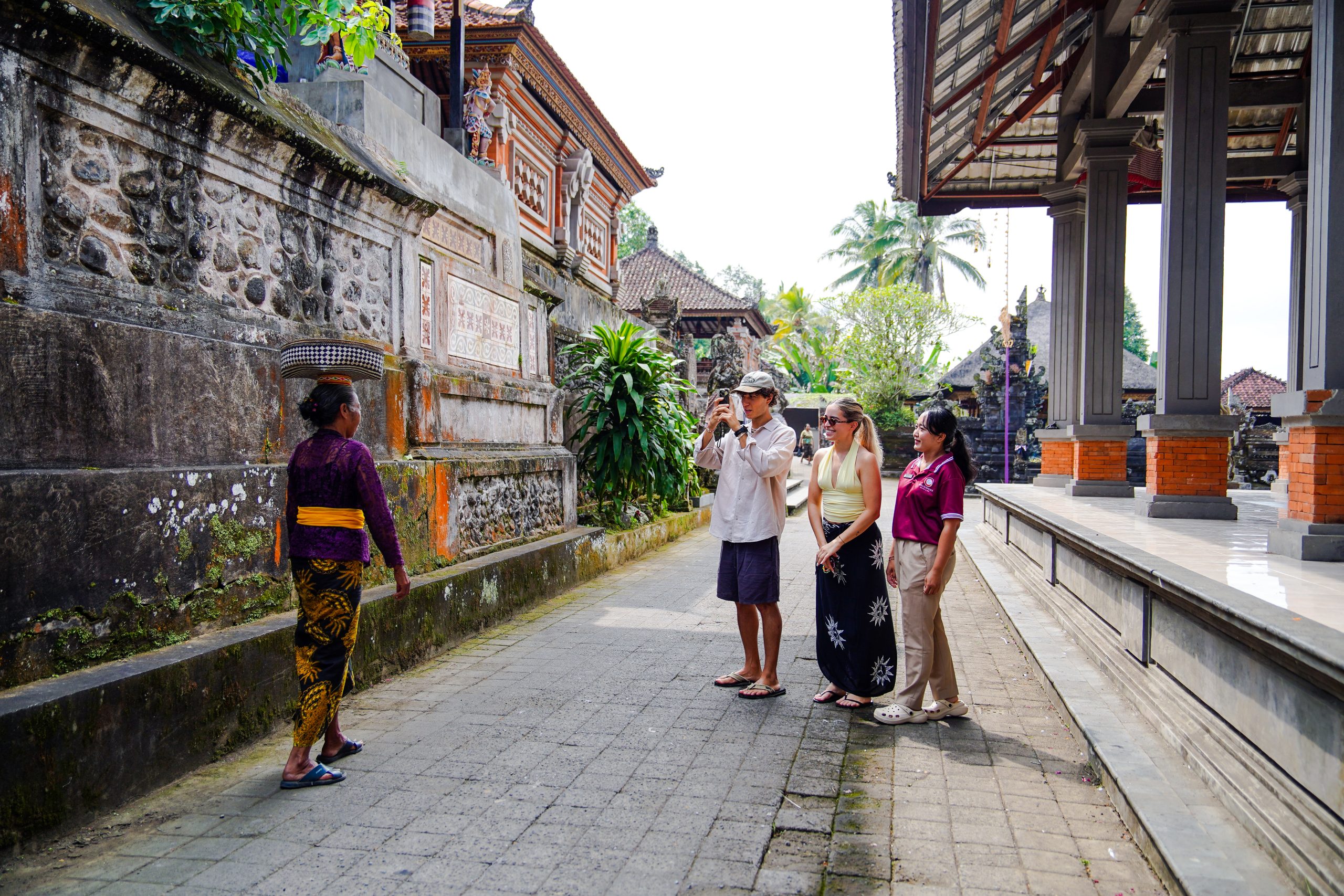
This philosophy is visible throughout Bali—from temples and rice fields to villages, homes, and hospitality spaces.
It is one of the reasons why Bali feels unique. Visitors often describe the island as peaceful, grounded, and spiritually alive. Much of this comes from the values embedded in Tri Hita Karana.
The Three Pillars of Tri Hita Karana
Parahyangan: Harmony with God
The first pillar, Parahyangan, refers to the relationship between humans and the divine.
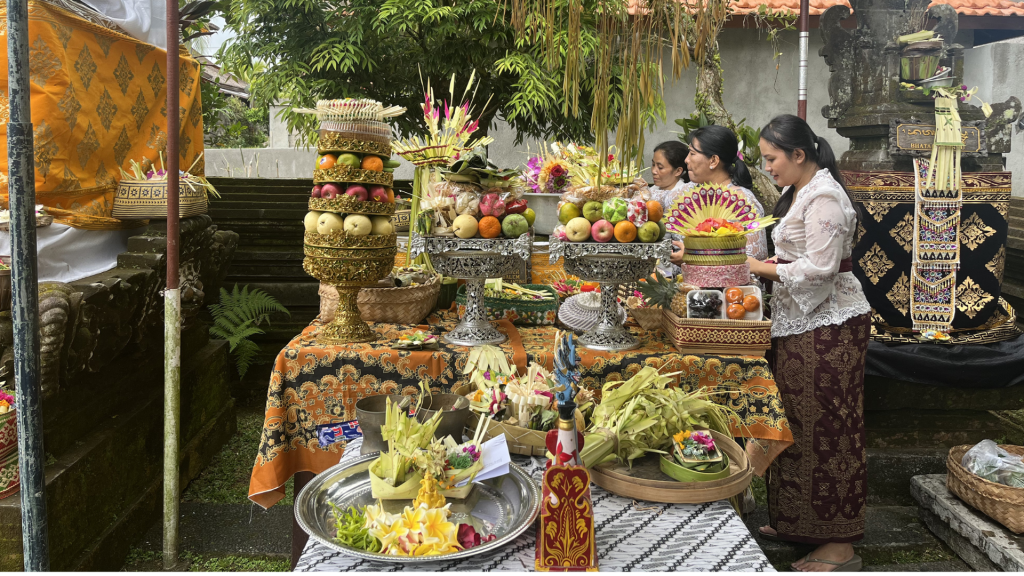
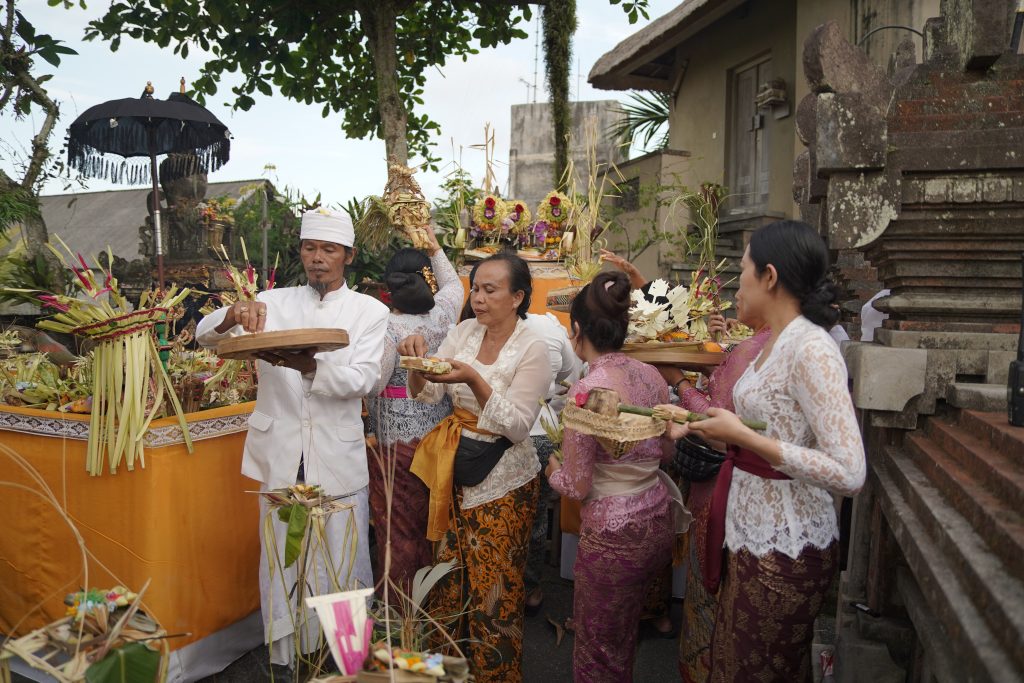
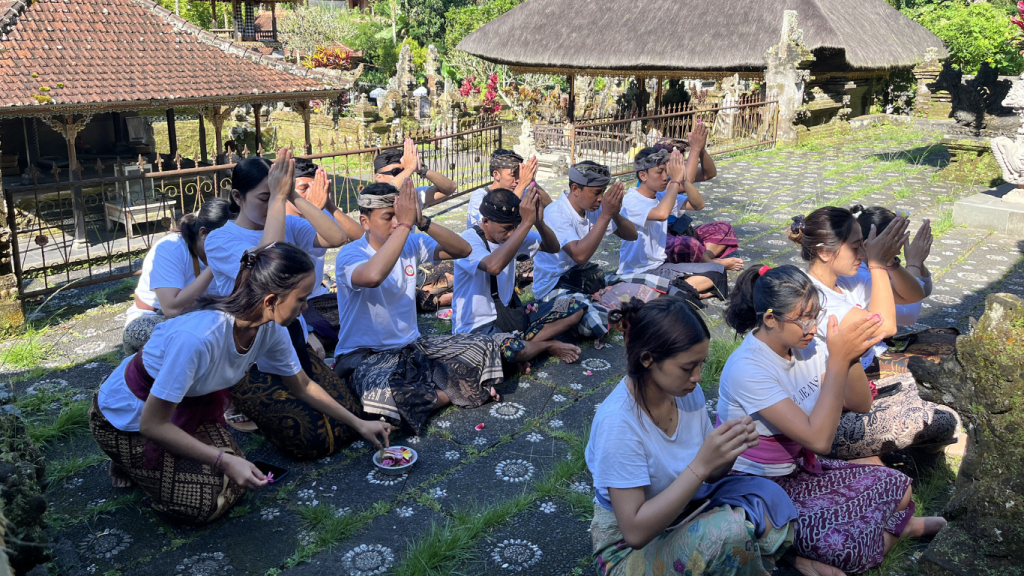
Spirituality is deeply woven into everyday life in Bali. Offerings, temple ceremonies, prayers, and sacred rituals are part of daily routines.
Across the island, spiritual devotion is visible in homes, businesses, temples, and communities.
This connection reminds people to live with gratitude, humility, and awareness of something greater than themselves.
In Bali, spirituality is not separate from life—it is life itself.
Pawongan: Harmony with People
The second pillar, Pawongan, focuses on harmonious relationships among people.
Community plays a central role in Balinese society. Cooperation, mutual respect, and collective responsibility are deeply valued.
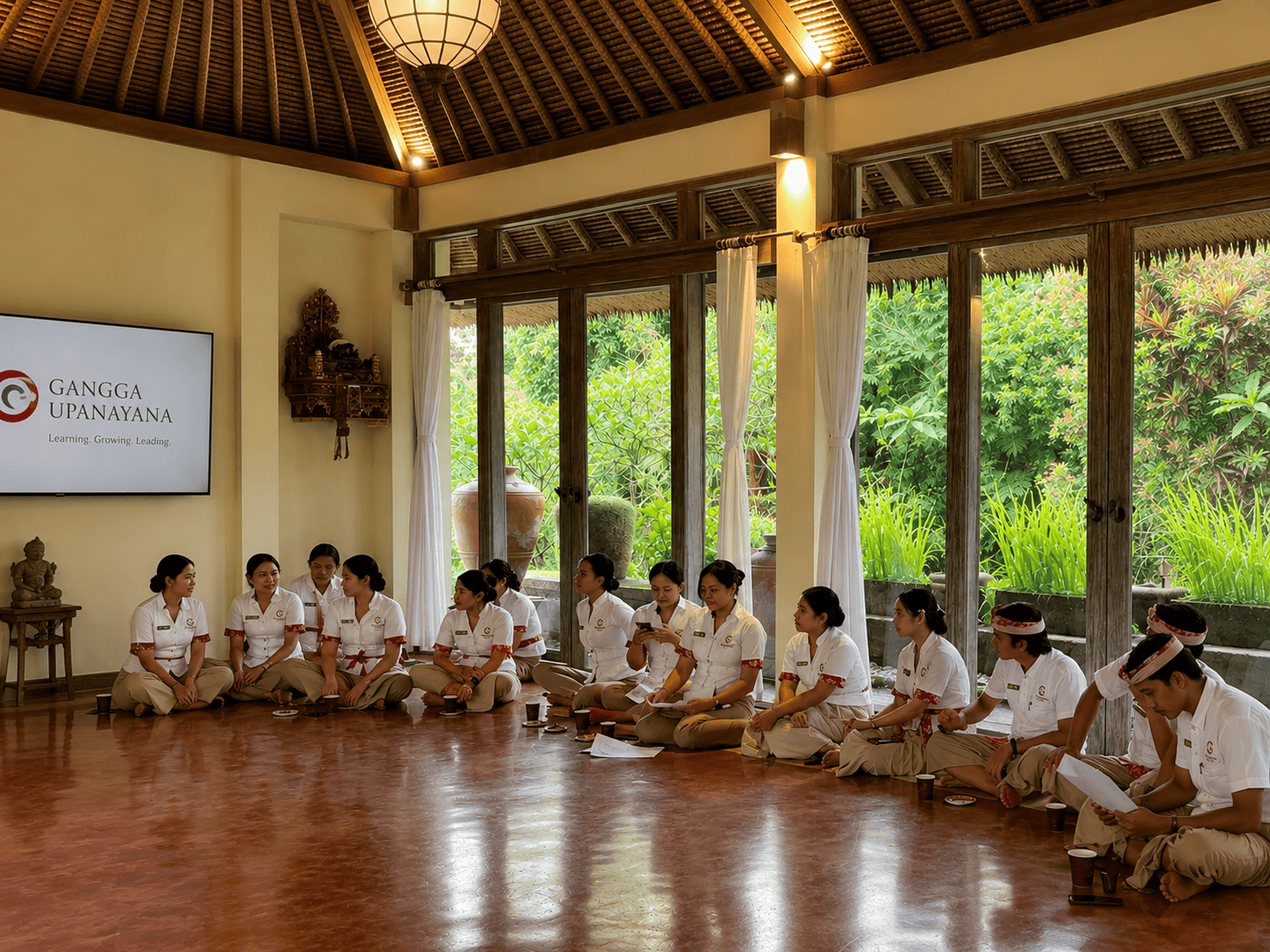
This can be seen in daily village life, where community members support one another through ceremonies, celebrations, and communal work.
Pawongan encourages:
- Respect
- Compassion
- Cooperation
- Shared responsibility
Strong communities create stronger harmony.
Palemahan: Harmony with Nature
The third pillar, Palemahan, emphasizes the relationship between humans and nature.
Bali’s connection to nature is sacred. Mountains, rivers, forests, and springs are not simply resources—they are living elements that deserve respect and protection.
This philosophy encourages sustainable living and environmental awareness.
Balinese communities have long understood that caring for nature means caring for future generations.
This is especially important today as sustainability becomes a global priority.
Why Tri Hita Karana Matters Today
Although rooted in ancient wisdom, Tri Hita Karana remains highly relevant in modern life.
In a world that often moves too fast, this philosophy offers an important reminder:
balance matters.
True success is not measured only by economic growth or material achievement. It also depends on:
- spiritual well-being
- healthy relationships
- environmental sustainability
These values align closely with modern conversations around wellness, conscious living, and sustainable development.
Tri Hita Karana offers a timeless framework for living more intentionally.
Tri Hita Karana in Balinese Hospitality
One of the most beautiful expressions of Tri Hita Karana can be found in Balinese hospitality.
Hospitality in Bali is not just about service—it is about creating meaningful connections and experiences.
Guests are welcomed with warmth, sincerity, and genuine care.
Many hospitality businesses in Bali embrace Tri Hita Karana through:
This creates hospitality experiences that feel deeply personal and authentic.
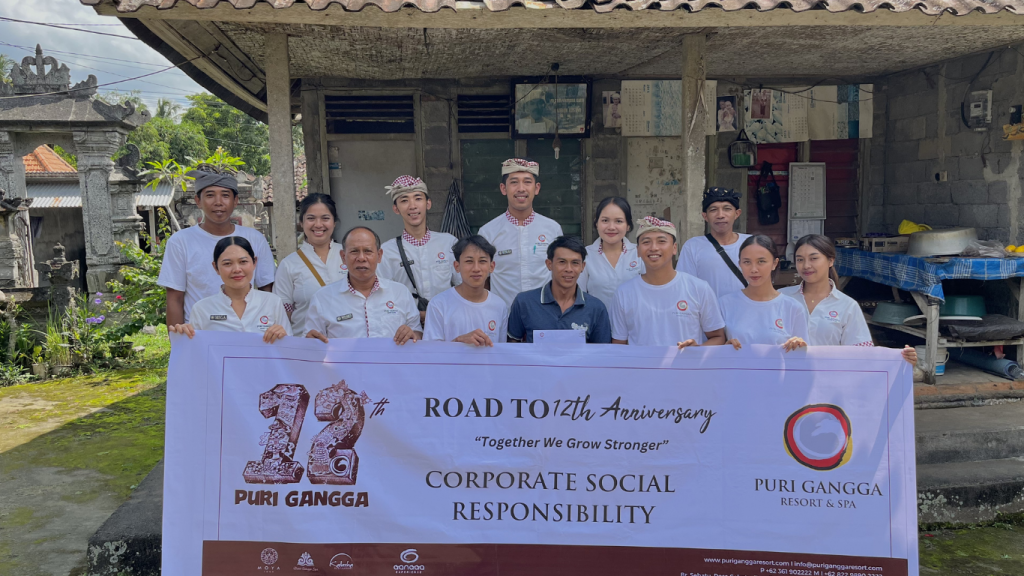
How Gangga Group Applies Tri Hita Karana
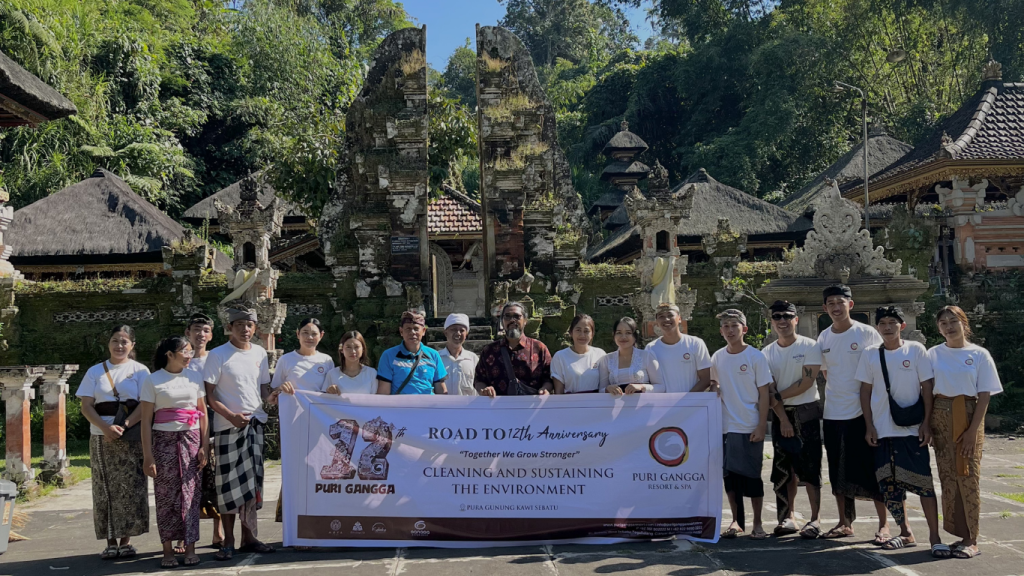
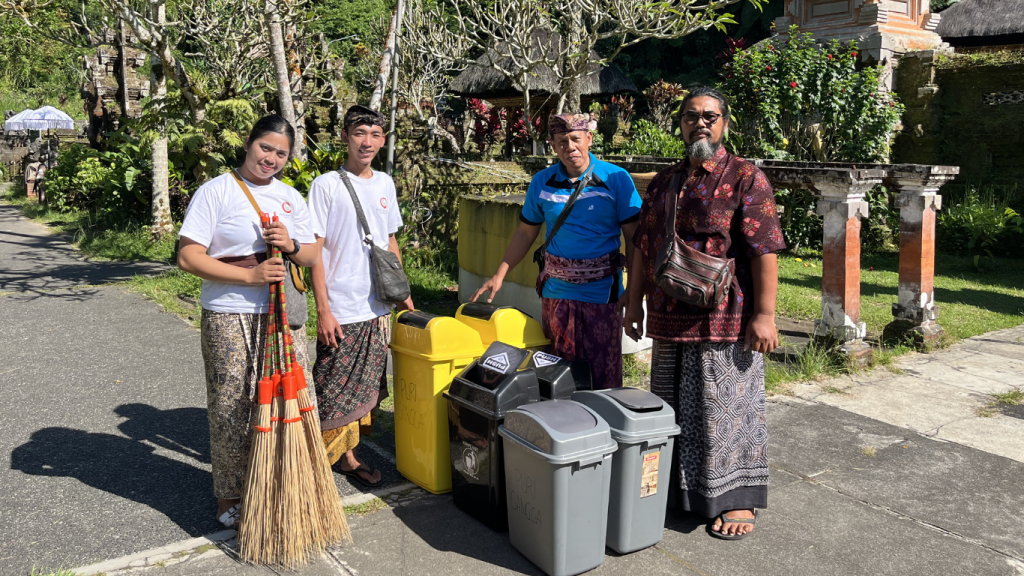
At Gangga Group, Tri Hita Karana is more than philosophy—it is part of the company’s foundation.
The values of harmony, sustainability, and meaningful connection influence how the group develops experiences across hospitality, wellness, and lifestyle businesses.
These values can be seen through:
- Cultural preservation
- Community engagement
- Sustainable tourism initiatives
- Wellness-focused experiences
- Respect for local heritage
Through brands such as Puri Gangga Resort, Gangga Experience, and Sebatu Village Life, Etc, Gangga Group continues to create experiences rooted in authentic Balinese values.
This philosophy helps ensure that growth remains aligned with culture, community, and sustainability.
A Philosophy for the Future
Tri Hita Karana offers more than cultural insight—it offers wisdom for the future.
As Bali continues to evolve, this philosophy remains an essential guide for preserving what makes the island truly special.
Harmony with spirituality, people, and nature creates a stronger foundation for long-term well-being.
In many ways, Tri Hita Karana is the soul of Bali.
And understanding it allows visitors to experience Bali more deeply—not only as a destination, but as a living culture shaped by harmony.